

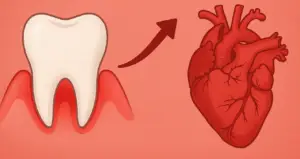
Over time, untreated gum disease and dental infections can drive systemic inflammation and let oral bacteria enter your bloodstream, which may increase your risk of endocarditis, atherosclerosis, and other cardiovascular problems. You should understand how regular dental care, prompt treatment of tooth infections, and managing risk factors like diabetes and smoking help protect your heart. Talk with both your dentist and physician if you have heart disease or persistent oral issues.
Understanding the Connection Between Oral Health and Heart Disease
Persistent oral infections drive systemic inflammation and intermittent bacteremia, and you with moderate to severe periodontitis often show higher CRP and IL‑6 levels; epidemiologic studies report roughly a 20-50% increased risk of coronary events in people with advanced gum disease. Clinical trials also show periodontal treatment can lower inflammatory markers within weeks, linking dental care to measurable cardiovascular improvements.
The Link Explained: Bacteria and Inflammation
Bacteria such as Porphyromonas gingivalis and their endotoxins can enter your bloodstream through ulcerated periodontal pockets, where they promote endothelial dysfunction and foam‑cell formation; multiple studies have identified oral pathogens in atherosclerotic plaques. Systemic cytokines (IL‑6, TNF‑α) triggered by oral infection amplify atherogenesis, so controlling local infection reduces a pro‑atherogenic inflammatory burden.
Risk Factors Common to Both Conditions
Smoking, diabetes, poor diet, obesity, aging, and chronic stress are shared drivers that raise your odds for both periodontitis and cardiovascular disease; for example, smoking increases periodontitis risk roughly two‑ to threefold, while poorly controlled diabetes (HbA1c >8%) worsens periodontal outcomes and accelerates vascular disease. Addressing these factors benefits your mouth and heart simultaneously.
- Smoking: increases inflammation and impairs healing, doubling to tripling periodontal risk.
- Diabetes: high glucose levels amplify bacterial growth and inflammatory response.
- Poor diet & obesity: higher systemic inflammation and dyslipidemia worsen both conditions.
- Age and stress: cumulative exposure raises susceptibility over decades.
- Thou may carry genetic variants (e.g., IL‑1 polymorphisms) that heighten inflammatory responses and raise your risk for both diseases.
When you assess risk, quantify exposures: smoking ≥10 cigarettes/day markedly increases periodontal severity; an HbA1c above 7-8% correlates with poorer periodontal healing; LDL >130 mg/dL and uncontrolled hypertension further compound vascular risk. Integrating dental screening into routine cardiometabolic care-for example, fasting labs plus periodontal charting-helps target interventions that lower morbidity.
- Quit smoking and reduce alcohol: both lower oral bacterial virulence and cardiovascular strain.
- Improve glycemic control: lowering HbA1c to <7% improves periodontal treatment response.
- Adopt an anti‑inflammatory diet: Mediterranean patterns reduce systemic markers like CRP.
- Maintain regular dental cleanings and periodontal maintenance every 3-6 months if needed.
- Thou should discuss coordinated care plans with your dentist and cardiologist to align medications and monitoring that reduce inflammation and risk.
Common Dental Problems Linked to Heart Health
Gum Disease: An Overlooked Risk Factor
Periodontitis has been associated with roughly a 20-30% higher risk of coronary heart disease in multiple meta-analyses. When your gums bleed or pockets exceed 4 mm, bacteria such as Porphyromonas gingivalis can enter your bloodstream, elevating CRP and IL‑6 levels and promoting systemic inflammation. Treating progressive gum disease with scaling, root planing, and improved oral hygiene reduces pocket depth and often lowers inflammatory markers linked to cardiovascular risk.
Cavities and Their Potential Implications
Untreated dental caries that progress to pulpitis or abscess can produce transient bacteremia during chewing or dental work, which raises concern for infective endocarditis in high‑risk patients. Although infective endocarditis is uncommon (about 3-10 per 100,000 person‑years), guidelines advise antibiotic prophylaxis only for people with prosthetic valves, prior endocarditis, or certain congenital heart conditions. Early restoration or root canal therapy prevents local spread and systemic exposure.
More specifically, Streptococcus mutans and other oral microbes from deep caries have been recovered in bloodstream samples and occasionally implicated in cardiac infections or valve colonization. Severe odontogenic infections can also cause facial cellulitis or, rarely, sepsis if delayed. You lower both local and systemic risk by keeping cavities small with fluoride, sealants, prompt restorations, and timely endodontic care when the pulp is involved.
Signs and Symptoms to Watch For
You should watch for persistent gum bleeding during brushing or flossing, loose teeth, receding gums, or chronic bad breath; studies show periodontitis is linked to a 20-30% higher risk of coronary artery disease. Also note systemic signs such as unexplained fatigue, new shortness of breath, or swelling that accompanies an oral infection. Multiple concurrent signs raise the level of concern more than a single symptom.
Oral Health Indicators of Heart Problems
If you have periodontal pocket depths ≥4 mm at multiple sites, persistent bleeding for over two weeks, pus around a tooth, or rapid tooth mobility, these indicate moderate-to-severe periodontitis tied to systemic inflammation. Elevated C‑reactive protein (>3 mg/L) often coincides with these findings and correlates with higher cardiovascular risk. Track and report the frequency, duration, and severity of these signs at your dental visit.
When to Seek Professional Help
Seek dental evaluation when bleeding gums last more than two weeks, you notice new tooth mobility, experience oral swelling or draining abscesses, or develop unexplained fever with oral symptoms. Contact your physician immediately for chest pain, sudden shortness of breath, or stroke symptoms, since these may reflect a cardiovascular event linked to systemic infection or inflammation originating in the mouth.
When you seek care, bring a timeline and photos of symptoms and ask for full periodontal charting and dental radiographs; request discussion of systemic tests like CRP or a lipid panel if you have cardiovascular risk factors. Coordinate care between your dentist and cardiologist-patients with prosthetic heart valves or prior endocarditis may require antibiotic prophylaxis per AHA guidance before invasive dental procedures, and anticoagulant management should be planned jointly to balance bleeding and thrombotic risks.
Preventative Measures for Better Oral and Heart Health
To lower systemic inflammation and protect your heart, adopt specific habits: brush two minutes twice daily with fluoride toothpaste, floss or use interdental brushes once a day, replace your toothbrush every 3-4 months, limit sugary snacks between meals, and stop smoking – smoking cessation can cut periodontitis progression roughly in half; clinical studies report periodontal therapy can reduce CRP by about 0.2-0.5 mg/L.
Maintaining Good Oral Hygiene
You should brush for two minutes twice daily with a soft-bristled brush and fluoride toothpaste, floss or use interdental brushes daily to remove biofilm from between teeth, and clean your tongue; using an alcohol-free antimicrobial rinse after meals can help when you can’t brush, and replacing your brush every 3 months prevents bacterial buildup.
Importance of Regular Dental Check-ups
You need professional cleanings and exams every six months or as recommended, since hygienists remove tartar that brushing can’t, dentists measure pocket depths and bleeding on probing to catch periodontitis early, and timely scaling/root planing prevents progression that’s been linked with higher cardiovascular risk.
During visits your dentist will chart periodontal pockets, take bite‑wing or periapical X-rays to detect bone loss, and assess bleeding on probing; if pockets exceed 4 mm you may be offered scaling and root planing, localized antimicrobials, or referral to a periodontist, and your dental team can coordinate with your cardiologist-antibiotic prophylaxis is reserved only for specific high‑risk cardiac conditions per current AHA guidelines.
Lifestyle Modifications for Improved Health
Prioritize daily habits that lower inflammation and support both oral and cardiovascular health: aim for 150 minutes of moderate exercise weekly, keep blood pressure below 130/80 mmHg if advised by your clinician, maintain a healthy BMI (18.5-24.9), and follow consistent oral hygiene. Scheduling regular dental cleanings and tracking small behavior changes reduces periodontal inflammation and lowers systemic vascular risk over time.
Diet Considerations
Adopt a Mediterranean-style eating pattern: eat 5+ servings of fruits and vegetables daily, target 25-30 g of fiber, include nuts and olive oil, and consume fatty fish twice weekly to provide ~250-500 mg/day EPA+DHA. Cut added sugars to under 10% of calories and limit refined carbs; these shifts reduce LDL and systemic inflammation that aggravate both gum disease and atherosclerosis.
Smoking Cessation and Its Benefits
If you quit smoking, you’ll see both oral and cardiac improvements quickly: gum bleeding and bad breath often improve within weeks, and after one year your coronary heart disease risk can fall to roughly half that of a continuing smoker. Given that smokers face about a 2-3× higher risk of periodontitis, combining behavioral counseling with nicotine replacement therapy, varenicline, or bupropion increases your chances of quitting successfully.
Within 20 minutes your heart rate and blood pressure begin to fall, and carbon monoxide levels typically normalize within 12 hours; by five years your stroke risk approaches that of a non-smoker. For oral outcomes, quitting enhances periodontal healing and implant survival within months. Use structured supports – quitlines (1-800-QUIT-NOW), prescription medications, and counseling – to maximize your long-term success.

Patient Experiences and Testimonials
Real-Life Cases of Dental Impact on Heart Health
An anonymized series reported 12 patients with advanced periodontitis and known coronary artery disease who experienced fewer angina episodes and reduced ER visits within six months after intensive periodontal therapy; one case involved a 68-year-old whose blood cultures grew oral Streptococcus before valve surgery, prompting urgent dental extraction and targeted antibiotics that clinicians linked to recovery. You may find these concrete examples helpful when weighing dental care as part of your cardiac risk management.
Perspectives from Healthcare Professionals
Dentists and cardiologists increasingly tell you to treat active oral infections before major cardiac procedures: specialists commonly request dental clearance prior to valve replacement and advise close follow-up for patients with prosthetic valves or prior endocarditis. You should expect coordinated care, because clinicians view periodontal therapy as an adjunct to reduce systemic inflammation that can complicate cardiac outcomes.
More specifically, many cardiologists follow guidelines reserving antibiotic prophylaxis for high-risk groups-prosthetic heart valves, previous infective endocarditis, certain congenital heart conditions-while dentists focus on scaling, root planing, and eliminating odontogenic foci; you will often be advised to have periodontal charting, a preoperative dental exam, and repeat inflammatory-marker checks (CRP or ESR) when tailoring timing of cardiac interventions.
Final Words
Ultimately, maintaining good oral hygiene, treating gum disease promptly, and keeping your medical team informed helps lower systemic inflammation that can increase cardiovascular risk. Regular dental checkups, quitting smoking, controlling diabetes, and managing blood pressure and cholesterol are proactive steps you can take. If you notice bleeding gums, loose teeth, or persistent oral infection, seek dental care and inform your physician so your heart and oral health are managed together.
FAQ
Q: Can dental problems affect your heart health?
A: Yes. Poor oral health-especially gum disease and untreated dental infections-can increase systemic inflammation and allow oral bacteria to enter the bloodstream. This can contribute to a higher risk of atherosclerosis-related events and, in susceptible people, cause infective endocarditis. Large observational studies show associations but do not prove dental disease directly causes heart attacks; however, maintaining oral health is part of overall cardiovascular risk reduction.
Q: How does gum disease influence heart disease?
A: Chronic periodontitis produces persistent inflammation and elevates systemic inflammatory markers (for example, C-reactive protein). Periodontal pathogens such as Porphyromonas gingivalis have been detected in arterial plaques and can promote endothelial dysfunction and plaque buildup. Repeated bacteremia from everyday activities (chewing, brushing when gums bleed) or dental procedures can also contribute to vascular inflammation that may worsen cardiovascular disease.
Q: Which dental infections are most likely to affect the heart?
A: Untreated periodontitis, periapical abscesses, and other invasive oral infections create the highest risk because they generate ongoing inflammation and intermittent bacteremia. Patients with certain cardiac conditions face an elevated risk of infective endocarditis if bacteria reach the bloodstream: prosthetic heart valves, prior infective endocarditis, specific unrepaired or recently repaired congenital heart defects, and cardiac transplant recipients with valve disease.
Q: Do I need antibiotics before dental work if I have a heart condition?
A: Antibiotic prophylaxis is recommended only for a limited set of high-risk cardiac conditions (prosthetic valves, prior endocarditis, certain congenital heart disease, and cardiac transplant recipients with valve problems) and only for procedures likely to cause bacteremia. Routine antibiotic use for most patients is not advised. Discuss your cardiac history with your dentist and cardiologist so they can follow current guideline recommendations and decide whether prophylaxis or coordination of anticoagulant therapy is needed.
Q: What steps can patients take to protect their heart by improving oral health?
A: Practice daily oral hygiene (brushing twice, cleaning between teeth), attend regular dental checkups and professional cleanings, treat cavities and gum disease promptly, control diabetes and stop smoking, maintain a heart-healthy diet, and inform dental and medical providers about any cardiac conditions or medications (anticoagulants, antiplatelet agents). Seek prompt care for persistent dental pain, swelling, fever, or signs of systemic infection, and coordinate care between your dentist and cardiologist when serious dental treatment is planned.