

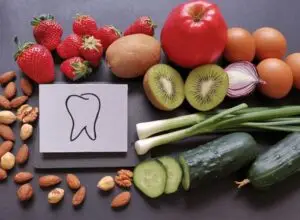
Over time, the foods and beverages you choose shape enamel strength, gum health, and oral microbiome balance, so adopting a nutrient-rich diet and limiting sugars and acids helps prevent decay and inflammation; pairing calcium, vitamin D, and phosphorus intake with low-sugar habits supports remineralization while fiber-rich produce stimulates saliva that neutralizes acids, and regular hydration and limited acidic drinks reduce erosion, making dietary choices a powerful tool to preserve your dental health for decades.
The Impact of Diet on Oral Health
You influence your mouth’s ecosystem each time you eat; frequent snacking on fermentable carbs creates repeated acid attacks that drop plaque pH below the 5.5 threshold needed to demineralize enamel. Studies show acidification can persist about 20 minutes after a sugary bite, so grazing increases decay risk. Choosing whole foods, fibrous produce, and timing meals reduces exposure and lets saliva neutralize acids and deliver minerals for repair.
Sugar and Its Role in Cavities
Sugars fuel Streptococcus mutans, which ferments sucrose into lactic acid and erodes enamel; when plaque pH drops below 5.5 decay accelerates. Consuming sticky sweets or sipping sugary drinks increases risk because residues remain on teeth. Limiting free sugars to under 50 g/day (about 10% energy for 2,000 kcal) lowers caries rates; chewing xylitol gum (5-10 g daily) can reduce S. mutans counts and help prevent cavities.
The Importance of Calcium and Phosphorus
You need calcium and phosphorus to rebuild enamel through remineralization; saliva supplies these ions but dietary intake matters. Adults typically require about 1,000 mg calcium and 700 mg phosphorus daily; a cup (240 mL) of milk provides roughly 300 mg calcium. Eating dairy, canned salmon with bones, or fortified plant milks and legumes helps maintain serum and salivary levels that support enamel repair after acid challenges.
Vitamin D directly affects how well you absorb calcium – aiming for about 600 IU (15 µg) daily supports mineral uptake and salivary calcium. Excessive phosphoric acid from colas can lower salivary calcium and promote erosion, while dairy’s bioavailable calcium counters this. Pairing calcium-rich foods with meals maximizes post-meal salivary mineral availability so enamel has a better chance to remineralize after acid exposure.
Nutrients Essential for Healthy Teeth
Your teeth depend on a balance of minerals, vitamins, protein and fluoride for formation, repair and resistance to decay. Aim for about 1,000-1,200 mg of calcium and 600-800 IU of vitamin D daily to support enamel and bone; include phosphorus, magnesium and vitamin K2 for proper mineralization, plus vitamin C for gum collagen. Food sources and targeted supplements help fill gaps.
Vitamins and Minerals for Tooth Strength
Enamel is 95% hydroxyapatite, so calcium and phosphate intake directly affects strength; vitamin D enhances absorption and regulation. Magnesium and vitamin K2 guide mineral placement in bone and teeth, while vitamin C prevents gingival bleeding by supporting collagen. Fluoride at low doses (about 0.7 mg/L in community water) promotes remineralization; combine balanced diet and dental products for best results.
The Role of Hydration in Oral Health
Your saliva neutralizes acids, supplies calcium and phosphate for remineralization, and clears food particles; average production ranges about 0.5-1.5 liters a day. When you stay hydrated (roughly 1.5-2 liters of water daily) you maintain salivary flow and pH balance, lowering caries and erosion risk. Avoid frequent sugary drinks, as they fuel acid-producing bacteria.
If you take antihistamines, antihypertensives or antidepressants, your salivary flow can drop significantly-medication-induced xerostomia increases caries risk. Try sipping water after meals and chewing sugar-free gum with xylitol to boost stimulated saliva (1-2 mL/min). In areas with fluoridated water (0.7 mg/L), your daily hydration also delivers cavity protection; consider saliva substitutes or a dental review if dryness persists.
Foods to Emphasize for Optimal Dental Health
Make sure you focus on whole foods that supply calcium, vitamin C, fiber, and saliva-stimulating textures. Aim for 5+ servings of fruits and vegetables daily; crunchy choices like apples and raw carrots increase your saliva and physically dislodge plaque, while leafy greens supply vitamin K and folate that support gum tissue.
Fruits and Vegetables
Emphasize vitamin C-rich options (one medium orange ≈70 mg) because you need about 75-90 mg/day to maintain collagen in gum tissue and lower periodontal risk. Also prioritize high-fiber, crunchy produce-raw apples, carrots, and celery-to stimulate your salivary flow and mechanically remove food particles, and include dark leafy greens for calcium and vitamin K.
Dairy and Whole Grains
Choose dairy like milk, yogurt, and cheese for bioavailable calcium (1 cup milk ≈300 mg) and casein proteins that help remineralize enamel; aim for roughly 3 servings of dairy daily to approach the 1,000 mg calcium target for most adults. Whole grains supply B vitamins and magnesium, and have a lower glycemic impact than refined carbs, which supports your oral microbiome balance.
Eating a piece of cheese after a sugary snack raises plaque pH within minutes, reducing demineralization through calcium, phosphate, and casein buffering; probiotic yogurts can also lower harmful bacterial counts. You should make at least half your grain intake whole-about 3-4 ounce-equivalents daily-to boost magnesium and fiber that support bone and gum health.
Dietary Habits to Avoid
Avoid habits that directly erode enamel or fuel decay: sipping sodas (pH 2.5-3.5) or citrus juices (pH 2-3) over long periods, chewing ice which can cause fractures, and eating sticky sweets that cling to teeth. If you consume more than 25 g of free sugars per day-the WHO recommendation threshold-your caries risk rises. Also minimize bedtime snacking without brushing, since saliva flow drops at night and acids linger longer, accelerating demineralization.
Acidic Foods and Beverages
Acidic items like citrus, wine, sodas, and sports drinks lower oral pH below the 5.5 level where enamel demineralizes; frequent exposure to beverages with pH around 2-3 can rapidly soften enamel and increase sensitivity. After acidic intake, rinse with water, use a straw to limit contact, and wait 30-60 minutes before brushing so saliva can begin remineralization and avoid brushing softened enamel away.
Snacking Frequency and Its Effects
Every eating event triggers an acid challenge lasting roughly 20-30 minutes while saliva works to neutralize acids; grazing with 6+ snack events daily raises caries risk compared with 2-3 snacks. Frequency often influences decay more than total sugar mass, so consolidate intake into meals, choose low-sugar snacks, and sip water afterward to speed clearance and reduce cumulative acid attacks.
Pick snacks that boost salivary flow and deliver minerals: a 30 g piece of cheese, plain yogurt, or a handful of nuts raises pH and aids remineralization, while sticky candies and dried fruit can remain on enamel >30 minutes and heighten decay risk. Nighttime snacking is particularly harmful because salivary defense drops; if you must eat, rinse with water and avoid sugary drinks to minimize overnight acid exposure.
The Role of Supplements in Dental Health
If your diet or sun exposure is limited, targeted supplements can correct deficiencies that impair enamel and periodontal health: vitamin D3 at 1,000-2,000 IU/day typically raises serum 25(OH)D toward the 30-50 ng/mL range to aid calcium uptake, calcium (1,000-1,200 mg/day total intake) supports mineralization, vitamin C (75-90 mg/day) prevents gingival bleeding, omega‑3 EPA/DHA around 500-1,000 mg/day reduces periodontal inflammation in trials, and specific probiotics (e.g., Lactobacillus reuteri, 10^8-10^9 CFU) can lower plaque and gingivitis.
When Supplements Are Necessary
You should consider supplements if you follow restrictive diets (vegan, dairy‑free), have malabsorption (celiac, bariatric surgery), limited sun exposure, are pregnant or elderly, or your dietary calcium totals under ~1,000 mg/day. Clinical indicators include serum 25(OH)D <20 ng/mL or persistent gingival inflammation despite good hygiene. Frequent antibiotic courses or dry mouth also justify probiotic or saliva‑supporting supplementation to protect oral microbiota and reduce decay risk.
Choosing the Right Supplements
Select forms with strong bioavailability-vitamin D3 instead of D2, calcium citrate if you have low stomach acid, and omega‑3 as triglyceride or re‑esterified TG for better absorption. Favor products with third‑party verification (USP, NSF) and clear dosing; avoid preparations high in added sugars or acidic carriers that can harm enamel. Check interactions with your medications before adding fat‑soluble vitamins.
Pairing choices matters: combine vitamin D with calcium and magnesium for balanced metabolism, and consider vitamin K2 (MK‑7) to help direct calcium to bone rather than soft tissues-avoid K2 if you’re anticoagulated. For probiotics, choose strain‑specific preparations (L. reuteri or Bifidobacterium) with 10^8-10^10 CFU and take them routinely for 4-12 weeks to assess effect; split calcium doses (>500 mg) to improve absorption and take omega‑3s with meals for best uptake.
Long-Term Strategies for Dental Wellness
To sustain oral health over decades, you must pair consistent care with targeted dietary choices: aim to keep added sugars under 25 g (≈6 tsp) per day (WHO guideline), prioritize fluoride toothpaste (1,000-1,500 ppm), and favor water over acidic beverages. You should space snacks to allow plaque pH to recover (20-40 minutes) and schedule routine dental visits-typically every six months unless your clinician advises otherwise-to catch issues early.
Developing Healthy Eating Patterns
Adopt three balanced meals and limit grazing to reduce repeated acid attacks; you lower risk by consuming sugary items with meals rather than between them. Choose calcium- and phosphate-rich foods like yogurt, cheese, and leafy greens, and eat crunchy fruits and vegetables (apples, carrots) to stimulate saliva. Swap sodas and juices for water or milk, and when you consume acidic foods, pair them with food and rinse with water afterwards.
Regular Dental Check-Ups
You should attend professional exams every 3-12 months based on your risk profile, with six-month intervals common for many patients. Cleanings remove tartar that home care cannot, while X-rays and periodontal charting reveal hidden decay and bone loss. Your clinician can apply fluoride varnish, prescribe high-fluoride toothpaste, or place sealants to reduce future restorative needs.
When you’re high-risk-smoking, diabetic, experiencing dry mouth, wearing braces, or with a history of extensive decay-expect recalls every three to four months and tailored interventions. Dentists measure pocket depths (≥4 mm often indicates active periodontitis), take risk-based radiographs (typically every 6-24 months), and provide treatments such as sealants (which can cut molar decay substantially in the first two years), topical fluoride, or scaling and root planing to halt progression.
Final Words
With this in mind, you can protect your oral health by choosing a balanced diet rich in calcium, vitamin D, phosphorus, and antioxidants, limiting sugary and acidic foods, staying hydrated, and favoring whole, fibrous foods that stimulate saliva and clean teeth naturally. Consistent eating habits and nutrient-rich choices lower your risk of decay and gum disease, and you should work with dental professionals for personalized guidance.
FAQ
Q: How does what I eat directly affect tooth decay and gum disease?
A: Sugars and fermentable carbohydrates feed oral bacteria that produce acid, which demineralizes enamel and creates cavities; acidic foods and drinks can also chemically erode tooth structure. Diets high in refined sugars and frequent snacking increase the number and duration of acid attacks on teeth, while diets that include protective nutrients and promote saliva flow reduce bacterial growth and support remineralization. Poor nutrition can also impair the immune response in gums, increasing susceptibility to periodontal disease.
Q: Which specific nutrients and foods strengthen teeth and support healthy gums?
A: Calcium and phosphorus are necessary for remineralizing enamel; vitamin D enhances calcium absorption. Vitamin C supports collagen synthesis in gum tissue and helps resist infection. Adequate protein supports tissue repair. Foods that supply these include dairy (milk, cheese, yogurt), leafy greens, nuts, legumes, fish, eggs, and fortified plant milks. Xylitol-sweetened gums and casein-containing dairy can reduce bacterial adhesion and promote enamel repair.
Q: What role does eating frequency and timing play in protecting dental health?
A: Each eating episode triggers an acid challenge; spacing meals and minimizing between-meal snacking gives saliva time to neutralize acids and rebuild minerals. Consuming sugary or acidic items with a meal reduces overall damage compared with constant grazing. Chewing fibrous vegetables and sugar-free gum after meals increases saliva flow and accelerates remineralization.
Q: Which beverages are most harmful or helpful for long-term dental health?
A: Harmful beverages include sugary sodas, sports drinks, fruit juices, and acidic cocktails because they combine high sugar with low pH, promoting decay and erosion. Sipping slowly or over long periods worsens harm. Helpful choices are water (preferably fluoridated), milk, and unsweetened tea; consuming harmful drinks with meals, using a straw, and rinsing with water afterward reduce damage.
Q: What practical dietary strategies can I use daily to protect my dental health long-term?
A: Limit intake of added sugars and sticky snacks, favor whole foods that stimulate chewing, include calcium-, phosphorus- and vitamin D-rich items, and eat vitamin C-rich fruits and vegetables for gum health. Stay well hydrated to maintain saliva flow, use xylitol-containing gum after meals if appropriate, and consider fortified foods or supplements if you follow a restrictive diet. Combine these habits with fluoride use and regular dental care for best long-term outcomes.