

Over time your enamel can thin or gums can recede, exposing dentin and causing sharp reactions to hot, cold, sweet or acidic stimuli; this post explains common causes, evidence-based treatments-desensitizing toothpaste, fluoride applications, restorations, and behavioral changes-and the warning signs that mean you should see a dentist so you can reduce pain and protect your oral health.
Understanding Teeth Sensitivity
Definition of Teeth Sensitivity
When your dentin is exposed due to enamel wear or gum recession, external triggers like cold, sweet or acidic foods cause fluid movement in microscopic tubules that stimulates nerves-this is dentin hypersensitivity. It affects an estimated 10-30% of adults, most commonly between ages 20 and 50. You’ll usually feel a sharp, brief pain in response to thermal, tactile, osmotic or chemical stimuli, distinct from the lingering ache of decay or infection.
How Sensitivity Affects Daily Life
You often alter routines to avoid pain: skipping ice cream, holding back on hot coffee, or brushing more gently, and surveys report roughly 20-30% of sufferers change their eating or oral-care habits. These adjustments can lead to nutritional shifts, social discomfort, and inconsistent hygiene; for example, gentler brushing without technique changes may leave plaque behind and increase risk for cavities and gum disease.
In practice, one common pattern is avoidance leading to downstream problems: a person who stops drinking hot drinks and starts using a very soft brush may still retain food debris along the gumline, which within months can produce gingival inflammation and early caries that then require professional intervention. You should weigh short-term pain relief against potential long-term consequences and seek targeted solutions that let you maintain normal diet and hygiene.
Causes of Teeth Sensitivity
Several mechanisms explain why your teeth become sensitive: loss of enamel, recession of the gums exposing root dentin, and recent dental procedures that transiently open dentinal tubules. Enamel erosion from acids, root exposure from gum disease or brushing habits, and treatments like whitening or scaling each produce characteristic pain patterns; for example, whitening-related sensitivity can occur in up to 70% of patients but is usually temporary.
Enamel Erosion
Enamel is roughly 96% mineral (hydroxyapatite) and as thin as 2.5 mm at cusps, so repeated acid exposure-sodas (pH ~2.5), citrus, or reflux-dissolves mineral and thins the protective layer. When that barrier wears down, underlying dentin is exposed and you feel sharp reactions to cold, sweet, or acidic foods; professional fluoride treatments and remineralizing agents can partially restore resistance.
Gum Recession
Gum recession exposes root surfaces that lack enamel, leaving dentin with open tubules that transmit stimuli directly to the nerve; periodontal disease affects about 47% of adults over 30 and is a common driver of recession. You’ll often notice notching near the gum line, longer-looking teeth, and sensitivity when brushing or drinking cold drinks.
Causes include aggressive horizontal brushing, bulky restorations, orthodontic tooth movement, and chronic inflammation from plaque. For mild cases you can switch to a soft-bristle brush and desensitizing toothpaste; for severe root exposure, periodontal plastic surgery such as connective tissue grafts can achieve root coverage with reported success rates often between 70-90% depending on defect size and technique.
Dental Procedures
Many procedures transiently increase sensitivity because they expose dentin or irritate the pulp: professional whitening commonly causes sensitivity (reported in roughly 30-70% of cases), scaling/root planing can produce temporary root sensitivity, and crown or filling prep may provoke short-term discomfort. You should expect symptoms to peak within days and usually resolve in weeks.
Mechanistically, bleaching agents like 35% hydrogen peroxide diffuse through enamel and dentin to transiently irritate pulpal tissues, with peak sensitivity at 24-48 hours and resolution within about 7-14 days for most patients. Preventive steps you can take include using potassium nitrate or fluoride varnish pre- and post-procedure, and your clinician can recommend topical agents or temporary desensitizing liners to reduce symptoms.
Diagnosing Teeth Sensitivity
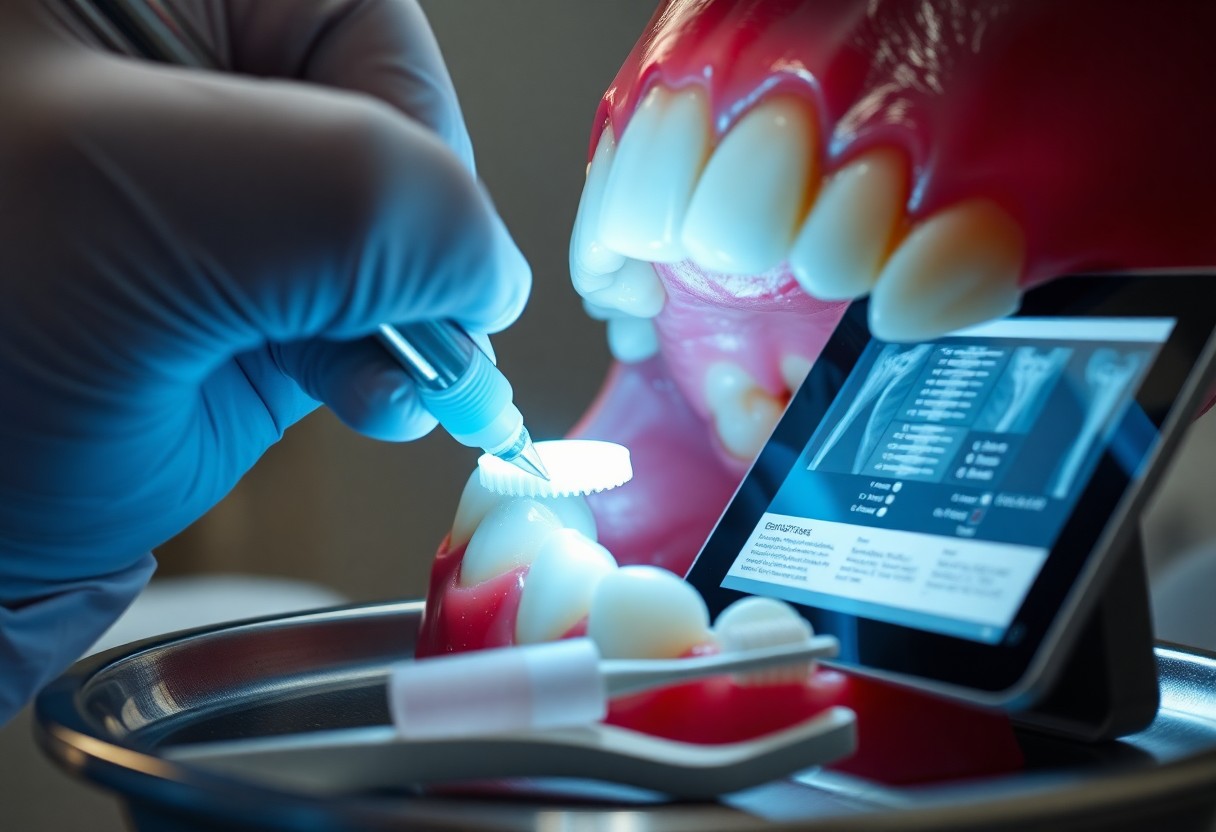
When you report dental pain, diagnosis blends your history with clinical tests to separate dentin hypersensitivity from caries, cracked tooth, or pulpitis. Clinicians use air blasts, cold testing, tactile probing, bitewing radiographs and periodontal charting to identify enamel loss or root exposure. Prevalence studies put dentin hypersensitivity at roughly 8-30% of adults, so the exam emphasizes excluding urgent pathologies before assigning a sensitivity diagnosis.
Professional Evaluation
During a professional evaluation your dentist documents onset, triggers and duration, then performs targeted tests: 1-2 second air stimulus, cold testing, percussion, tactile probing and radiographs. They assess recession depth, restoration margins and occlusion; periodontal pockets greater than 4 mm point to gum disease as a cause. Initial treatments often include in‑office fluoride varnish or bonding, with soft‑tissue grafting or, in fewer than 10% of refractory cases, endodontic therapy.
Self-Assessment Techniques
You can monitor sensitivity at home by noting which triggers-cold drinks, sweets, brushing or acidic foods-cause pain and rating intensity on a 0-10 scale. Test improvement with a desensitizing toothpaste containing 5% potassium nitrate or toothpaste with 1,000-1,500 ppm fluoride used twice daily for 2-4 weeks. Keep a short log of triggers, timing and any recent dental work to share with your clinician.
For a more systematic self-check, isolate the tooth with gauze and apply a chilled stimulus for 1-2 seconds, observing whether pain is immediate, delayed or lingers beyond 10 seconds. Photograph visible recession or worn restorations and note recent procedures like scaling, whitening or new crowns. If pain becomes constant, wakes you at night, or is accompanied by swelling or fever, seek professional evaluation promptly.
Treatment Options for Teeth Sensitivity
Effective treatment ranges from simple habit changes and desensitizing toothpastes to targeted dental procedures; you can often start with over-the-counter products and progress to in-office care if symptoms persist beyond 2-4 weeks. Typical clinical options include topical fluoride varnish (5% NaF), resin bonding to cover exposed dentin, gum grafting for significant recession, laser therapy for nerve modulation, and endodontic treatment when pulp involvement is diagnosed.
Over-the-Counter Solutions
You’ll find desensitizing toothpastes containing potassium nitrate or stannous fluoride that reduce nerve excitability and tubule fluid movement; use twice daily and expect noticeable improvement within 2-4 weeks for many people. Toothpastes with 5% potassium nitrate or stannous fluoride formulas are common, and using a soft-bristled brush plus a gentle technique enhances effectiveness while avoiding abrasive whitening products that can worsen sensitivity.
Professional Treatments
Your dentist can apply high-concentration fluoride varnish (commonly 5% NaF) in-office for rapid remineralization and pain reduction, place composite or glass ionomer bonding to seal exposed root surfaces, perform connective tissue grafting for root coverage, or use laser therapy to alter nerve response; endodontic (root canal) therapy is reserved for cases with pulpal pathology. Repeat varnish or bonding checks are often recommended every 3-6 months as needed.
In practical terms, varnish application takes minutes with transient benefits often seen immediately; bonding is completed in one visit and can last years with proper oral hygiene; gum grafts show 70-90% root coverage success in many case series; laser sessions (1-3 visits) report 60-80% short-term symptom reduction in clinical studies. Root canal is indicated when vitality testing shows irreversible pulpitis or necrosis despite conservative measures.
Home Remedies
You can reduce sensitivity at home by avoiding acidic foods and drinks, brushing gently with a soft-bristled brush at a 45° angle, waiting 30-60 minutes after acidic exposure before brushing, and using a warm saltwater rinse for temporary relief. Also consider a night guard if you grind teeth, which prevents further enamel wear and dentin exposure.
Practical at-home measures include rinsing with 1/2 teaspoon salt in 8 ounces of warm water once or twice daily, applying a pea-sized amount of desensitizing gel to teeth using a finger or soft tray per product instructions, and eliminating abrasive whitening pastes; many patients report measurable symptom reduction within 2-6 weeks when combining these habits with appropriate toothpaste and technique.
Preventive Measures
Adopt a layered approach: use desensitizing toothpaste containing 5% potassium nitrate or 0.454% stannous fluoride, brush gently with a soft-bristled brush for two minutes twice daily, and schedule dental checks every six months so your clinician can monitor enamel loss and gum recession on your teeth.
Oral Hygiene Practices
Switch to a soft-bristled brush and desensitizing toothpaste; studies show 5-7 days of regular use reduces sensitivity for many patients. Apply only 45-70 grams of pressure when you brush, avoid abrasive whitening pastes, floss daily, and use a 0.05% sodium fluoride rinse to help strengthen your enamel.
Dietary Considerations
Limit your intake of acidic beverages like soda, citrus juices, and sports drinks to reduce enamel erosion that exposes dentin; when you do consume them, sip through a straw and rinse with water afterward to lower acid contact on your teeth.
Avoid brushing for 30-60 minutes after acidic meals to let your saliva remineralize enamel; favor calcium- and phosphate-rich foods (aim for three servings of dairy daily), chew xylitol gum (2 pieces for 20 minutes) to boost saliva flow, and cut frequent snacking-these steps, combined with fluoride use, slow sensitivity progression.
When to See a Dentist
Signs You Should Consult a Professional
If your sensitivity lasts more than two weeks, grows worse, or interferes with eating or sleep you should see a dentist; also seek care for severe, sharp pain (4/10 or greater), swelling, pus, fever, or pain when biting-these suggest infection or cracked teeth that need prompt evaluation and possible radiographs or vitality testing.
Importance of Early Intervention
Acting early often lets your dentist treat sensitivity conservatively: in-office fluoride varnish, bonding, or desensitizing agents (for example, 5% potassium nitrate toothpaste) can reduce symptoms within 2-4 weeks and protect exposed dentin, lowering the chance you’ll need more invasive care like root canal therapy later.
During an early visit your dentist will perform targeted tests (cold, percussion, radiographs) to identify cause and choose treatment; simple procedures-fluoride varnish in one visit, composite bonding in 30-60 minutes per tooth, or periodontal referral for a gum graft with 4-6 weeks healing-are often effective at preventing progression.
Conclusion
Ultimately you should understand that tooth sensitivity often arises from enamel loss, gum recession, or dental disease; addressing triggers, using desensitizing toothpaste, and seeking professional treatments can restore comfort, but if pain persists or worsens you must see your dentist to diagnose underlying causes and prevent further damage to your oral health.
FAQ
Q: What causes teeth sensitivity?
A: Tooth sensitivity happens when dentin – the porous layer beneath enamel – becomes exposed or the nerve inside the tooth is inflamed. Common causes include enamel erosion from acidic foods or drinks, aggressive or abrasive brushing that wears enamel or causes gum recession, gum disease exposing roots, tooth decay, cracked teeth, recent dental procedures (fillings, crowns, whitening), and bruxism (grinding) that wears enamel and opens tiny cracks to the nerve.
Q: How will a dentist diagnose the source of sensitivity?
A: A clinician will take a dental history and perform an exam using cold, air, and percussion tests to pinpoint which tooth or teeth react. Visual inspection checks for erosion, cracks, gum recession, and cavities; bite tests assess for cracked-tooth syndrome; and X-rays reveal decay, root problems, or bone loss. Additional tests (transillumination, pulp vitality testing) or referrals may be used if the diagnosis is unclear.
Q: What at-home measures can reduce tooth sensitivity?
A: Start with a desensitizing toothpaste containing potassium nitrate or stannous fluoride and use it twice daily for several weeks. Switch to a soft-bristled brush and use gentle, non-abrasive technique; avoid acidic foods and beverages or rinse with water after consuming them. Use a fluoride mouthrinse or a dentist-prescribed high-fluoride gel for short-term strengthening of enamel. If you grind your teeth, wear a nightguard as advised by your dentist. Stop or limit whitening products if sensitivity increases.
Q: What professional treatments are available if home care doesn’t help?
A: Dentists can apply in-office fluoride varnishes or desensitizing agents (e.g., stannous fluoride, potassium oxalate, or bonding agents) to seal tubules in exposed dentin. Composite bonding or glass ionomer restorations can cover exposed roots or chips. For gum recession, a soft-tissue graft may be recommended. In cases of deep decay, pulpal inflammation, or non-restorable damage, root canal therapy may be necessary. Some clinics offer laser therapy or professionally applied sealants to reduce sensitivity.
Q: When should I see a dentist about tooth sensitivity?
A: Schedule an appointment if sensitivity persists despite at-home care for more than a few weeks, if pain is severe or prolonged after stimuli, if there is spontaneous throbbing pain, swelling, fever, pain when biting, visible cracks, or increasing sensitivity after dental treatment. Any signs of infection, spreading pain, or functional impairment warrant prompt dental evaluation to prevent further damage.