

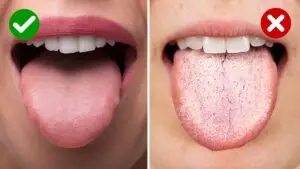
You can learn a great deal about your oral and overall health by observing your tongue’s color, texture, coating, and sensitivity; changes such as a pale tongue, white patches, fissures, swelling, or persistent soreness can signal vitamin deficiencies, infections, dehydration, or systemic conditions like liver disease or diabetes, and noting these signs enables you to seek targeted dental or medical evaluation to diagnose and address underlying issues promptly.
Structure of the Tongue
Beneath its mucosa your tongue is an 8-10 cm muscular organ made of intrinsic and extrinsic fibers that provide fine shaping and gross positioning for speech, swallowing and chewing; the surface carries filiform, fungiform, circumvallate and foliate papillae hosting roughly 2,000-8,000 taste buds, abundant vasculature and lymphoid tissue that link oral and systemic health.
Anatomy and Function
The four intrinsic muscles let you curl and flatten the tongue while four extrinsic muscles (genioglossus, hyoglossus, styloglossus, palatoglossus) move it in and out and side to side; taste signals travel via cranial nerves VII, IX and X, and rich sensory innervation means you often detect deficiencies, infections or neuropathies early through altered texture, pain or loss of taste.
Types of Tongue Shapes
Fissured, scalloped (crenated), geographic, smooth atrophic and hairy tongues each point toward different causes: scalloped borders often reflect bruxism or macroglossia, smooth red surfaces suggest B12 or iron deficiency, fissures may appear with aging or syndromes, and hairy tongue links to antibiotics, poor hygiene or tobacco; geographic tongue affects about 1-3% of people and usually fluctuates with triggers like stress.
- Fissured: deep grooves that can trap debris and cause halitosis.
- Scalloped: indentations from chronic pressure or enlarged tongue volume.
- Geographic: maplike, migrating depapillated patches causing intermittent soreness.
- Hairy: elongated filiform papillae, often reversible after stopping offending agents.
- Knowing which pattern appears helps guide basic tests and referrals.
| Fissured tongue | Often benign; hygiene, possible association with Down syndrome or Sjögren’s |
| Scalloped tongue | Suggests macroglossia, bruxism, obstructive sleep apnea assessment may be warranted |
| Geographic tongue | Benign migratory depapillation; 1-3% prevalence, linked to stress and allergies |
| Smooth atrophic tongue | Associated with B12/iron deficiency, pernicious anemia; check CBC and B12 |
| Hairy tongue | Often reversible; linked to antibiotics, smoking, poor oral care-tongue scraping helps |
If your tongue shows a smooth, bright red surface with burning you should check hemoglobin and serum B12 and ferritin because atrophic glossitis often signals deficiency; when you see hairy discoloration try improved oral hygiene, reduce tobacco and review recent antibiotics, and consult a clinician if changes persist beyond two weeks or are accompanied by systemic symptoms.
- Track onset, duration and associated symptoms such as pain, bleeding or dysgeusia.
- Photograph changes to show your clinician progression over days or weeks.
- Request targeted tests: CBC, B12, ferritin, and thyroid function when signs point to deficiency or systemic disease.
- Knowing which combination of shape, color and symptoms aligns with published patterns speeds diagnosis and management.
| Feature | Suggested initial action |
| Scalloped edges | Assess for bruxism, sleep apnea risk; evaluate tongue size and dentition |
| Smooth, red | Order CBC, B12 and ferritin; consider referral for nutritional management |
| Fissures | Improve hygiene; assess for systemic associations if severe or new |
| Hairy discoloration | Review medications, stop tobacco, start tongue scraping and topical debridement |
| Geographic pattern | Reassure if isolated; treat pain with topical anesthetic and evaluate triggers |
Color Changes of the Tongue
Color variations on your tongue often point to specific local or systemic issues: a pale tongue can indicate iron-deficiency anemia, a bright red smooth surface may signal B12 deficiency or scarlet fever, yellowing can reflect jaundice or poor oral hygiene, and dark or “black hairy” changes commonly follow antibiotics, tobacco, or poor shedding of papillae. If a change persists beyond two weeks or is paired with pain, fever, or swallowing trouble, seek medical evaluation promptly.
Normal Tongue Color
Your normal tongue is typically pale pink to rosy red with a thin, translucent white coating and visible papillae; it should be moist and move freely. Variations occur by age and hydration-older adults often have thinner mucosa-so use your own baseline as the best comparator. Sudden or marked departures from your usual color warrant attention.
Implications of Color Changes
A pale tongue commonly prompts a CBC to check hemoglobin and iron; a smooth, beefy red tongue suggests checking B12 and folate; yellowing should trigger liver function tests and bilirubin assessment; persistent white plaques that don’t scrape off may require biopsy to exclude leukoplakia or dysplasia; black discoloration often resolves after stopping antibiotics or addressing hygiene and tobacco use.
Diagnostic steps you can expect include CBC for anemia, serum B12/folate levels, LFTs for jaundice, KOH prep or culture for suspected Candida, and biopsy for non-removable white lesions. Geographic tongue, a benign pattern of map-like depapillated patches, affects roughly 1-3% of people and is managed conservatively, while systemic causes demand targeted therapy based on test results.
Texture and Coating
Texture and coating give you another layer of diagnostic information: a healthy tongue shows small, evenly distributed papillae and a thin, transient white film after sleep, whereas a persistent, thick coating covering more than one-third of the surface often indicates bacterial overgrowth, smoking, dehydration, or candidiasis, and clinicians note whether the film is central, posterior, or diffuse to narrow the differential.
Smooth vs. Coated Tongue
A smooth, glossy tongue with loss of papillae suggests atrophic glossitis often linked to B12, iron, or folate deficiency, while a coated tongue-white, yellow, or brown-usually reflects trapped debris, altered microbiome, or medications (antibiotics, antacids); you should check whether the coating scrapes off easily or exposes a raw surface, which changes the likely cause and management.
Possible Health Indicators
Posterior, stubborn white patches that don’t rub away commonly indicate oral thrush or antibiotic-associated dysbiosis; a yellow-brown film tied to smoking, poor hydration, or betel nut use predicts halitosis; and a smooth, fissured, or erythematous tongue often points toward nutritional deficiencies-B12 deficiency presents with glossitis in roughly 10-20% of older adults.
For more detail, if your tongue has a cottage‑cheese white coating with soreness and a cottony mouth, candidiasis is likely and may require antifungal treatment after swab microscopy or culture; if you have a smooth, painful tongue, request CBC, serum B12, ferritin and folate testing; and any persistent asymmetric plaque or ulcer lasting longer than two weeks warrants prompt evaluation and possible biopsy to exclude leukoplakia or malignancy.
Signs of Nutritional Deficiencies
Pale, smooth, or swollen changes on your tongue often point to nutritional gaps. A glossy, beefy-red tongue with soreness suggests B12 or folate deficits; a thin, pale tongue may indicate iron-deficiency anemia affecting over 1.6 billion people worldwide. White or geographic patches can signal zinc or niacin shortfalls or altered immune status. Pay attention to texture, color, and pain-these details narrow which nutrients to test for and how your diet may need to change.
Common Deficiencies Linked to Tongue Health
Vitamin B12 deficiency commonly produces a smooth, sore “beefy” red tongue; adults typically need about 2.4 mcg/day and up to 20% of older adults show low B12. Iron deficiency creates a pale, atrophic tongue and is the leading global micronutrient shortfall (≈1.6 billion affected). Folate, riboflavin (B2), niacin, and zinc shortages each have distinct tongue signs-use patterns of your symptoms to prioritize lab tests.
Dietary Recommendations
Boost B12 with animal foods-beef, salmon, dairy-or fortified cereals and supplements; adults require ~2.4 mcg/day. Increase iron via lean red meat, lentils, and spinach, and absorb it better by pairing with vitamin C (e.g., orange juice). Include folate-rich greens and legumes (400 mcg/day recommendation for women of childbearing age), and add zinc sources like oysters, meat, and pumpkin seeds. Avoid tea or coffee with meals to maximize your absorption.
Practical swaps help: choose fortified cereal with milk and an orange for breakfast, lentil salad with bell peppers at lunch, and grilled salmon with broccoli for dinner to hit B12, iron, vitamin C, and folate. If blood tests confirm deficiency, clinicians often recommend oral iron (ferrous sulfate 325 mg ≈65 mg elemental iron) taken every other day to improve absorption, or B12 supplementation-discuss dosing with your provider based on labs and absorption.
Oral Health Conditions
Changes in texture, coating, or lesions on your tongue often reflect specific oral conditions: a white, cottage-cheese coating commonly points to Candida overgrowth, while smooth, glossy areas suggest atrophic glossitis from B12 or iron deficiency. You may see a map-like pattern with geographic tongue (affecting about 1-3% of people), or a hairy coating after antibiotics or heavy smoking. Noting these patterns helps you and your clinician narrow diagnoses quickly.
Impact of Oral Diseases
If you have untreated gum disease, you may experience bleeding, bad breath, and eventual tooth loss; periodontitis affects about 47% of U.S. adults aged 30 and over. Tongue changes-such as increased coating, altered taste, or soreness-often accompany heavy plaque and biofilm. For example, acute necrotizing ulcerative gingivitis can produce a grayish coating and intense pain on the tongue, signaling an urgent need for professional care.
Connection to Systemic Health
Your oral infections and tongue findings can mirror systemic issues: people with severe periodontitis show higher markers of systemic inflammation, and some studies report a 1.2-1.5-fold increased risk of cardiovascular events. You might also notice a pale, smooth tongue with iron-deficiency anemia or a beefy red tongue with B12 deficiency, linking oral signs directly to broader metabolic and nutritional disorders.
Evidence indicates bidirectional effects-for instance, poorly controlled diabetes raises your risk of periodontal disease, and periodontal treatment can lower HbA1c by roughly 0.4% in some trials. Additionally, oral pathogens have been isolated from atherosclerotic plaques and aspiration pneumonia cases in elderly patients, so tongue and gum health can provide actionable clues about systemic infection risk and chronic disease management.
The Tongue and General Health
Inspection of your tongue often reveals systemic issues: a smooth, beefy-red tongue commonly accompanies vitamin B12 deficiency or pernicious anemia, while a pale, atrophic surface suggests iron-deficiency anemia. If you have a thick white coating, consider oral candidiasis or recent antibiotic use. For example, a 52-year-old patient with glossitis and fatigue was diagnosed with B12 deficiency after targeted bloodwork. When you notice persistent abnormalities, directed laboratory testing and specialist referral can clarify underlying disease quickly.
Uncovering Underlying Conditions
When you spot pallor, fissures, or white plaques, targeted evaluation narrows causes: pallor prompts a CBC and iron studies, a smooth red tongue leads to B12 and folate testing, and adherent white plaques require KOH prep or fungal culture for Candida. You should also review medications, recent antibiotics, and dietary patterns. Combining these clinical signs with focused labs-CBC, B12, HbA1c, and oral swab-streamlines diagnosis and reduces unnecessary investigations.
The Role of the Tongue in Diagnosis
Clinicians routinely include tongue inspection in physical exams because it directs which tests you may need: hairy leukoplakia on the lateral border raises concern for EBV reactivation in immunosuppressed patients, and median rhomboid glossitis often indicates chronic candidiasis. If you present with fissured or atrophic changes, providers may order HbA1c, CBC, or autoimmune panels. These visual cues help prioritize investigations and can uncover systemic disease earlier.
During the diagnostic workup, your clinician will assess color, texture, symmetry, and lesion behavior using a tongue depressor and good lighting, and may swab lesions for KOH or culture; lesions persisting over two weeks typically prompt biopsy or ENT referral. Abnormal findings trigger targeted testing-an HbA1c ≥6.5% supports diabetes, and low serum B12 relative to lab reference ranges supports deficiency-so your tongue’s appearance directly influences next diagnostic steps.
Summing up
With these considerations, your tongue serves as a window into both oral and systemic health: changes in color, texture, coating, or sensation can signal dehydration, nutritional deficiencies, infections, inflammation, or underlying diseases. Regular self-exams, proper oral hygiene, and prompt professional evaluation let you detect problems early and get appropriate care.
FAQ
Q: What does a healthy tongue look like?
A: A healthy tongue is pale to light pink, moist, and covered with small, evenly distributed bumps (papillae). It should have a thin, whitish coating that clears with gentle brushing; persistent thick coatings, unusual coloration, or changes in texture warrant attention.
Q: What can a white or yellow coating on the tongue mean?
A: A thick white coating can result from oral thrush (candida), poor oral hygiene, dry mouth, smoking, or recent antibiotic use; yellow or greenish coatings often reflect trapped bacteria or food debris and sometimes sinus or respiratory infections. Improving oral hygiene, staying hydrated, and addressing underlying conditions often helps, but if the coating is painful, persistent, or accompanied by fever, see a clinician for evaluation and possible antifungal or other treatment.
Q: Why does my tongue look smooth and red or swollen?
A: A smooth, glossy, red tongue (atrophic glossitis) can indicate nutrient deficiencies (vitamin B12, folate, iron), certain infections, allergic reactions, or inflammatory conditions; swelling may signal allergic angioedema, hypothyroidism, or infection. Blood tests, review of medications, and an oral exam can identify causes; treat deficiencies, stop offending drugs, or seek urgent care for rapid swelling or breathing difficulty.
Q: What do fissures, cracks, or geographic patterns on the tongue indicate?
A: Fissured tongue (deep grooves) and geographic tongue (map-like red patches with white borders) are usually benign and may relate to genetics, stress, psoriasis, or nutritional factors; they can trap food and contribute to irritation or bad breath. Gentle cleaning, avoiding irritating foods, and topical soothing agents help; consult a dentist or doctor if lesions become painful, infected, or change rapidly.
Q: Which tongue signs suggest a serious problem and when should I seek medical care?
A: Persistent white or red patches, nonhealing ulcers, lumps, unexplained numbness, ongoing severe pain, bleeding, or rapidly growing/misshapen areas can indicate oral cancer, systemic disease (HIV, autoimmune disorders), or severe infection and require prompt evaluation. Seek emergency care for breathing or swallowing difficulty; otherwise see a dentist or primary care provider if changes last more than two weeks or are accompanied by systemic symptoms like weight loss or fever.